

Handloom Craftsmanship Behind an Authentic Tissue Kerala Saree
- Feb 4
- 4 min read

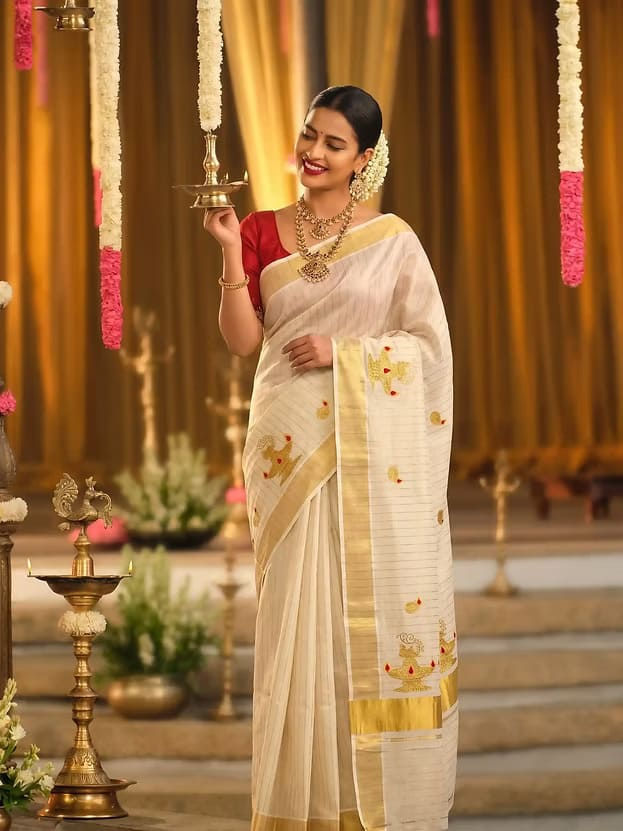
The Kerala handloom tradition is more than just a clothing tradition. It is a tradition of patience, culture, and skill that has been passed down through generations. Each thread has a story to tell, and each weave is a reflection of the soul of the land. Among these precious weaves, the Tissue Kerala saree is special for its subtle shine, softness, and elegance. The saree, which women adore because it combines traditional elements with elegant design. Haradhi considers that people should learn about the intricate techniques used to create sarees because this knowledge enables them to understand the true worth of these garments.
The Soul of Kerala’s Handloom Tradition
Kerala boasts an extensive legacy of handloom weaving and handicrafts. Before the arrival of industrial weaving, home-based weavings were done with primitive looms by the many skilled artisan weavers employed within the region. These looms were not just another type of implement; they were an integral part of these individuals' daily lives and family structures. Weaving was a family business, with skills passed down through families from generation to generation. The defining feature of Kerala's handloom weaving tradition is its simplicity. Simplicity does not indicate that the products produced lack artistic merit; however, high quality will typically include balance and proportion among the various components of the product. The use of natural fibres, clean edges, and genuine craftsmanship is found in all pieces created in the Kerala handloom weaving tradition. The most celebrated piece created in this tradition is the tissue saree, where the traditional values of the fabric are combined with an exquisite lustre from the finished product.
What Makes a Tissue Saree Unique
A tissue saree is known for its soft glow. This is because the tissue saree has a shine that is created by the blending of silk or cotton threads with metallic threads. This creates a fabric that has a rich look without being heavy. It also catches the light very well and moves easily when draped. Unlike other fabrics that are mass-produced, tissue sarees have to be made with care. The weaver has to ensure that there is even tension on all the threads. This is because even a small mistake can result in the whole saree being affected.
The Role of Skilled Hands in Every Weave
The skill of handloom weaving is completely dependent on human labour. Every process, from the mounting of the loom to the finishing of the borders, is done manually. The weavers work very slowly, sometimes taking days or even weeks to complete one saree. There is no need to hurry, as quality cannot be rushed. Every saree is a result of the weaver’s experience. The way the border matches, the way the tissue threads sparkle equally, and the way the fabric drapes when worn—every detail is a result of the expertise that goes into the weaving. This is why every handloom saree is unique.
From Loom to Wardrobe: A Patient Process
The process of making a handloom saree starts long before the actual weaving process begins. The first process involved in making a handloom saree is yarn selection. The threads used for making a saree should be strong, smooth, and suitable for tissue weaving. After that, the preparation of the loom also takes time. Once the weaving process begins, the saree is made inch by inch. The weaver keeps a close eye on every movement. The breaks are taken in such a way that the saree remains consistent. Once the saree is woven, it is checked, cleaned, and finished.
Tradition Meets Modern Taste
Today’s women love tradition, but they also look for comfort and versatility. It is here that the handloom sarees excel. They value tradition but are perfectly at home in today’s world. Today, many women choose to wear traditional sarees with modern blouses or simple jewelry. This is also reflected in the latest Kerala set saree, where tradition is combined with modern shades of colour and elegant borders. These sarees are perfect for special occasions as well as formal parties, making them the first choice of many women.
Care That Preserves Craftsmanship
Handloom tissue sarees need to be taken care of properly. Because of the nature of the fabric they are made from, the sarees must be stored in a breathable material. When storing, try not to fold them heavily on the zari portion of the saree. Handwashing or dry cleaning the saree will help maintain its shine and durability. If cared for properly, a handloom saree has the potential to last many years and can be passed down through generations of families as heirlooms along with memories.
A Living Heritage from Kuthampully
Kuthampully is one of the finest weaving communities in Kerala and has a longstanding tradition of creating beautiful handwoven items. The Kuthampully handloom saree epitomizes dedication, devotion to craft, and pride in one's heritage, while their weavers create authentic products that have a long history of using traditional techniques. Their weavers have perfected the craft of weaving sarees by maintaining the integrity of the process while continuously improving and creating contemporary products. The authentic sarees created by Kuthampully weavers have become symbols of purity and craftsmanship and are highly desired throughout Kerala and beyond.
Celebrating Craft with Haradhi
The saree fabrics of Haradhi reveal a whole new era of great history. Each cloth that makes up our sarees has its own unique story and represents the many years of artistry from those who have contributed to that specific design and the thread that created each piece. Our saree collection will highlight over three hundred years' worth of artistry in textiles (artistic, cultural, and traditional). The fabric used in our clothes is true tissue fabric that will help to express the heritage of families whose ancestors date back many centuries. Each Haradhi garment not only has an enduring legacy, but it will also reflect the latest trends in fashion.


Comments